Monday, March 14, 2011

EIC’s Nuwara Eliya Pedro Pekoe Review

Type: Black
Origin: Pedro Estate, Sri Lanka
Price: Free sample (regular price – £5.00 for 50g)
Vendor: East India Company
Brewing Method: Per Instructed - 1 teaspoon of leaves, 1 cup of filtered water, heated to 212°F, steeped for 4-5 minutes
Overall Score: 4.5 out of 5

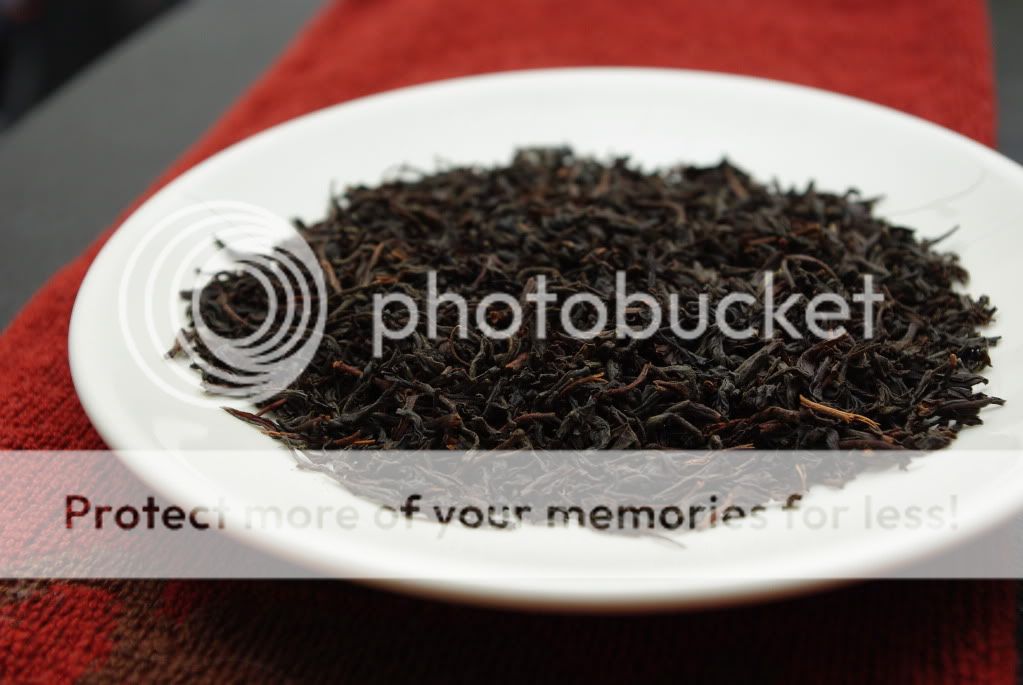
Nuwara Eliya Pedro Pekoe is a black tea which was picked from 100 year old tea bushes on the Pedro Estate. The dry leaves smell fresh and clean with a roasted aroma. There is also a sweet, chocolaty aroma along with the freshness that the dry leaves exude. The leaves are incredibly large compared to other black teas because of the pekoe leaf grade. This means that most of the leaves will be whole, instead of bits of broken pieces.

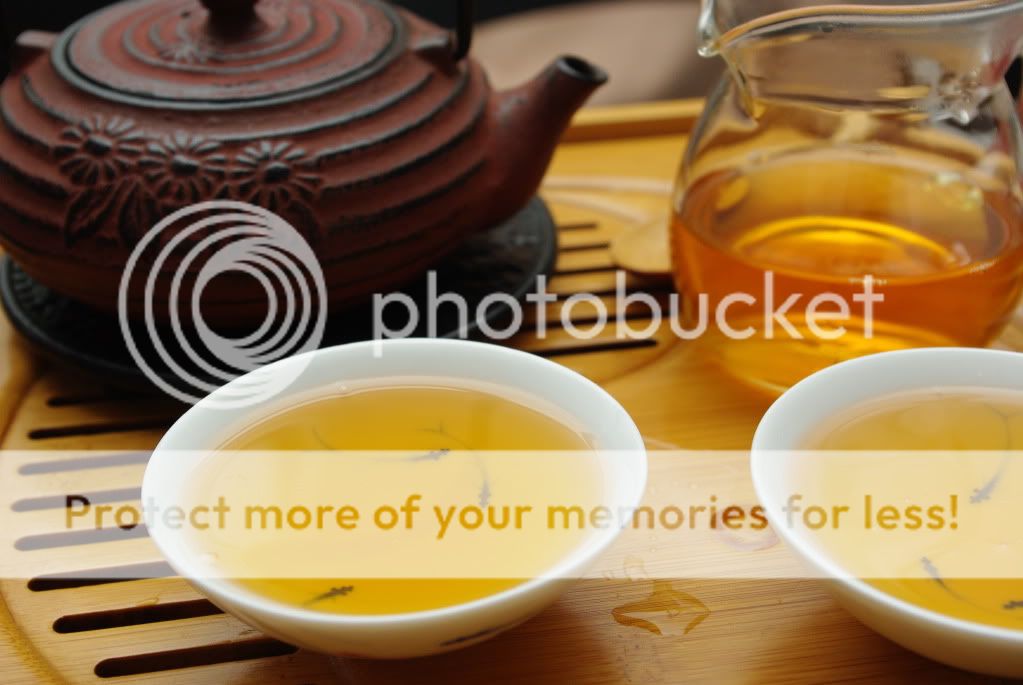
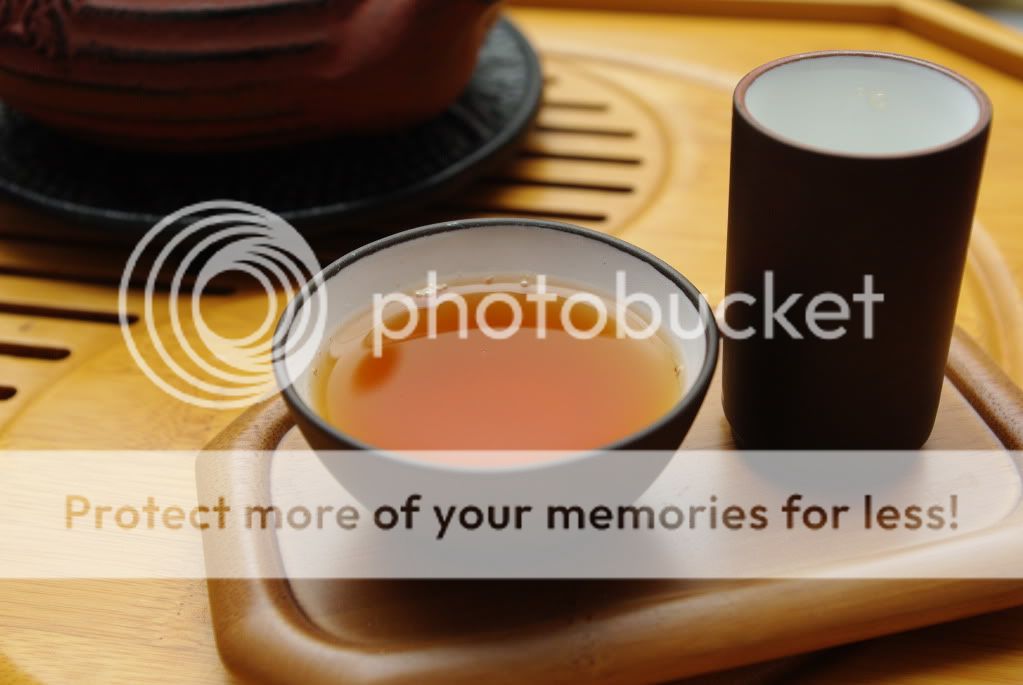
The smell coming from the teapot while the leaves are steeping is sweet and malty. It also has a honey-like aroma to it. The liquor is in step with the aroma with its orangey, honey color.


The taste is not as subtle as the aroma. The savory, malty flavors hit me first, followed by the chocolaty sweetness in the finish. The tea isn’t bitter, but it is quite astringent… which I noticed only after the first sip. After about four sips, an apricot fruitiness starts to build along with the other flavors.

This is a good example of not letting the light color of the tea fool you. This black tea from Sri Lanka (Ceylon) may be lighter than other Ceylon teas I have had, but it does not lack the punch.

Monday, February 28, 2011

Arbor Tea's Greenfield Estate Ceylon Review

Type: Black
Origin: Sri Lanka
Price: Free sample (regular price - $9.50 for 3oz.)
Vendor: Arbor Teas
Brewing Method: Per Instructed - 1 teaspoon of leaves, 1 cup of filtered water, heated to 212°F, steeped for 3-5 minutes
Overall Score: 4.8 out of 5

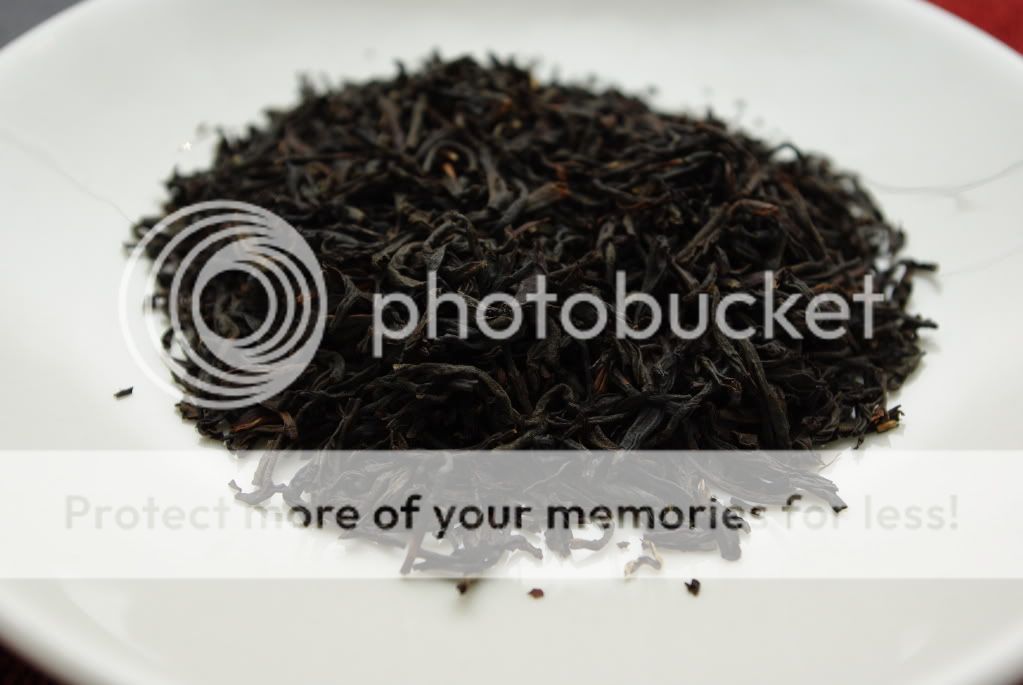
Greenfield Estate Ceylon is a high-grown black tea from the Uva District in Sri Lanka. The aroma of the dry leaves is interesting – kind of a mix between caramel and peach. It smells deliciously fruity for being an unflavored black tea. The leaves are medium size, dark brown, rolled, twisted pieces. The color of the leaves is consistent throughout the blend, but the aroma is quite complex.

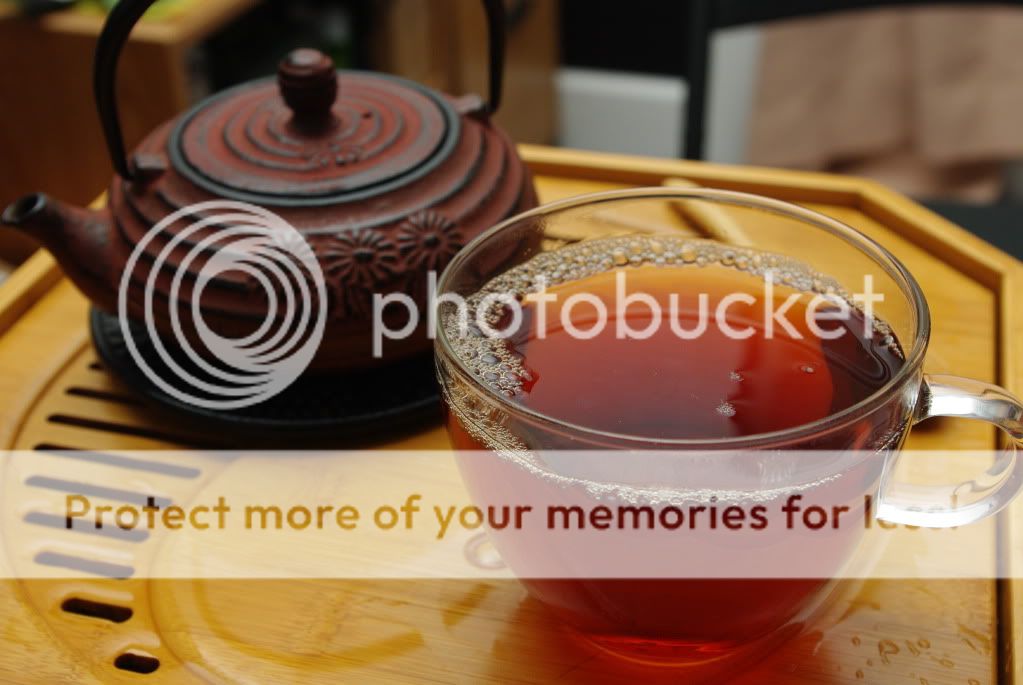
The steeped tea smells chocolaty with hints of fruitiness in the background. It smells sweet, not smoky. The liquor is an orangey red color.


The taste is sweet, with a lot of fruity notes… especially peach and apricot. It has a very nice chocolaty finish. Dryness is present, but not too much to be an issue. It is definitely not bitter.

I really enjoy this tea. I finished the cup and wanted more. It has such a sweet, but not too sweet, flavor. I didn’t realize so many fruity flavors could be in one tea. It is bold without being too strong; no need to add sweeteners.

Monday, February 21, 2011

Arbor Tea's Rembeng Estate Assam Review

Type: Black
Origin: India
Price: Free sample (regular price - $9.95 for 3.5oz.)
Vendor: Arbor Teas
Brewing Method: Per Instructed - 1 teaspoon of leaves, 1 cup of filtered water, heated to 212°F, steeped for 3-5 minutes
Overall Score: 4.2 out of 5

This Rembeng Estate Assam tea is, according to Arbor Tea’s website, located “…near the banks of the Brahmaputra River.” The first aroma I recognize is a sweet, malty, chocolaty smell coming from the bag. The dry leaves are longer than most black teas; they are thin, rolled, slightly twisted pieces. The hue is overall dark brown with rare bits of orange color.

The malty aroma is brought out more as the leaves are steeping. There is something kind of “roasty” about the aroma, as well… quite similar to very weak coffee. The color is a beautiful reddish orange.


The taste follows the aroma; it is malty, with a dark roasted flavor. It is more astringent than I would like, however. There are some fruity notes that pop up in the after taste – a mix of apricot and peach. The dark over tone of the roasted flavor still takes center stage, though.

This is definitely a bold tea that could give hearty Irish Breakfast tea a run for its money. This Assam isn’t bitter, but it isn’t the sweetest thing either. The dryness is a tough one to get through, but the dark malty flavor makes it worth it.

Sunday, February 13, 2011

Arbor Tea's Masala Chai Review

Type: Black
Origin: India
Price: Free sample (regular price - $17.50 for 5.5oz.)
Vendor: Arbor Teas
Brewing Method: Per Instructed - 1 teaspoon of leaves, 1 cup of filtered water, heated to 212°F, steeped for 3-5 minutes
Overall Score: 4.0 out of 5

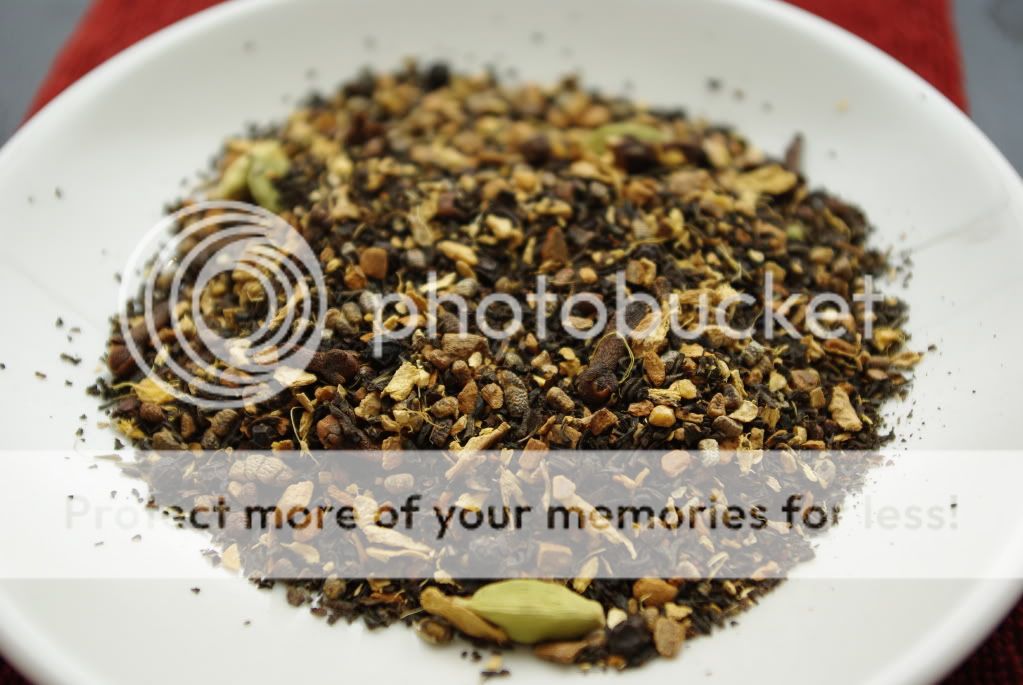
Masala Chai is a black tea base (I am assuming Assam) with green cardamom, cinnamon, ginger, cloves, and black pepper. Upon opening the package I can smell the cinnamon and cloves right away. It has an overall spicy aroma between the ginger, cinnamon, cloves, and pepper. The dry blend is colorful with the yellowish ginger, brown cinnamon, and green cardamom against a black background of tea leaves. The vast amount of cloves worries me, though.

The liquor smells spicy as the cloves and cinnamon battle it out to be the most prominent scent. I can faintly smell the ginger in the background. The color is dark orange right out of the teapot and then it turns to a light brown when the milk is added.


Wow, despite my worries about the army of cloves in the blend, this chai doesn’t taste half bad. With the milk added, per recommendation of Arbor Tea’s website, it cuts the harsh spices and gives them a warming characteristic rather than a stabby one.

The cinnamon and cloves are still front and center, of course, but I can also taste the ginger in the background. The tea has a general warm, soothing feel, yet the hearty flavor still packs a punch. I could see this being a good breakfast or “wake me up” tea.

Sunday, February 6, 2011

The Water Experiment

No more tea bags for you. Nope. Not going to happen. You go straight to the high quality, right for the good stuff – the loose leaf stuff, nothing less than the SFTGFOP for you. You open up your box and stare at the golden floweriness of the leaves… and then drown them in chemically treated tap water full of who knows what. You take a sip and wonder why your super fine tea doesn’t taste so super. Before you blame the leaves, the company, the farmer, the crop, and the weather, you might want to take a good, hard look at your not-so-good hard water.

Roughly 98% of what is in your teacup is water. If you don’t like the taste of your water, then more than likely you are not going to like the taste of the tea. What I mean is, if your water tastes like you are licking a metal pipe – water that has a lot of heavy metals, chlorination by-products, and other pharmaceuticals – then your cup of tea is going to reflect that metallic/sulfur aftertaste.

The importance of the right kind of water for tea is not something new. For centuries, the Chinese insisted that the best water to use for Dragon Well tea was water from the Dragon Well spring in the FengHuang Mountain region of China. Although, we cannot all have access to the Dragon Well spring, we can reach for the next best thing: filtered water.

PUR, a company dedicated to water filtration systems, sent me their PUR one-click faucet mount filter to put to the test. I decided to do a blind experiment involving four different water sources: the PUR faucet mount water filter, a Brita water filter pitcher that I currently use for tea, my tap water, and my boyfriend’s apartment tap water.

First, I would like to say that installing the PUR filter was very easy. We have a fairly old faucet and I was worried if the filter would attach, but PUR includes four different washer-like attachments so you can choose the right one that fits your faucet. After screwing in the washer, the filter slides in easily to the body of the case, and the whole thing snaps on with one easy click. They really aren’t kidding about the “one-click” process. De-packaging to installation only took about five minutes.

For the procedure I lined up four mugs and four glasses labeling each pair A, B, C, D. Like I said earlier, this was a blind test so I left the room and had someone else fill each mug with a different type of water, with them keeping the key to what water was in what mug a secret. In each glass I measured out and placed 2.3 grams of Adagio’s White Peony white tea. I chose this particular tea because of its delicate taste. I also chose glasses instead of my fancy tea ware because I didn’t have four of the same tea ware pieces and I wanted each batch to be uniform. It is not the most aesthetic set up, but this way each batch was subjected to the same heat dissipation and steeping conditions.

Next, I heated the four mugs in the microwave until the water reached a temperature of 185°F, allowing for a loss of 5°F when hitting the room temperature glasses to acquire the recommended water temperature of around 180°F. Then, I poured each mug of water into the respectfully labeled glasses containing the white tea. I allowed the tea to steep for the recommended seven minutes then decanted the tea into their respected mugs. Finally, I allowed the tea to set for about five minutes in order to be cool enough to taste.


The results were very interesting. I have known for quite some time that water affects the taste of tea, which is why I invested in my Brita pitcher, but I had no idea of exactly how much water plays a role until I tasted each cup side by side. I was very surprised! Here is what I found:

Please remember that even though I have now paired my notes with the actual water source, at the time of the tasting, I had no idea as to what water was in what mug.

(A) PUR faucet mount water filter – It has a strong, full, brisk flavor for being white tea. I can taste the slight fruitiness at the end, along with a hint of sharpness. It is rather dry than the other three, but holds more complex flavors. There was hardly any residue on the side of the mug.

(B) Boyfriend’s apartment tap water – It has a strong flavor but also a harsh bite in the beginning and end. I have a hard time tasting any fruitiness that normally accompanies this type of tea. The sharpness is distracting. The color seems to be the darkest of the four. This one is astringent as well, but not as much as A. There was a lot of residue on the side of the mug.

(C) My tap water
– It has a good flavor, but not as strong as A and B or as complex as A. It is crisp with no sharpness like B. I can taste way more of the fruitiness of the tea but less of the other slightly grassy, nutty flavors like in A or B. It is smoother than A and B – not as much dryness – but the finish is flat. There was a fair amount of residue on the side of the mug.

(D) Brita pitcher water filter – This is almost the same as C. This tea has the lightest color of the group. The flavor also seems faint and a little flat. It is crisp and smooth, hardly any dryness. It lacks the body and briskness that A has. There was hardly any residue on the side of the mug.

My conclusion was a hard one to make. I liked the full flavor of the PUR, but the dryness caught me off guard. However, like wine, good tea is supposed to have some dry qualities. I think I am going to avoid ever making tea with the tap water at my boyfriend’s apartment and at my place. As for my Brita pitcher, that one really stunned me. I have been making tea with this water filter for over a year now, and I didn’t see anything wrong with it. I am wondering if something went wrong with the steeping process in this batch. I want to give old faithful another chance before nixing it. For now, I think I am going to use the PUR filter. It is easier to use than my Brita pitcher (which I have to pull out of the refrigerator and refill almost every time I use it) and the PUR filter makes a decent cup of tea.

For my final thoughts, I suggest investing in a water filter of some kind if you want to enjoy delicious cups of tea or even healthier cups of water. By the way, if you are thinking about buying bottled water instead of a filter, don’t! Filters are a heck of a lot better for the environment, so I believe bottled water isn’t even an option. So I don’t have to go through my diatribe of why I think bottled water is bad, just don’t do it… or I will make you hug a tree!

Monday, January 17, 2011

Arbor Tea's Dragonwell Review

Type: Green
Origin: China
Price: Free sample (regular price - $10.95 for 3oz.)
Vendor: Arbor Teas
Brewing Method: Per Instructed - 1 teaspoon of leaves, 1 cup of filtered water, heated to 180°F, steeped for 2-3 minutes
Overall Score: 3.0 out of 5

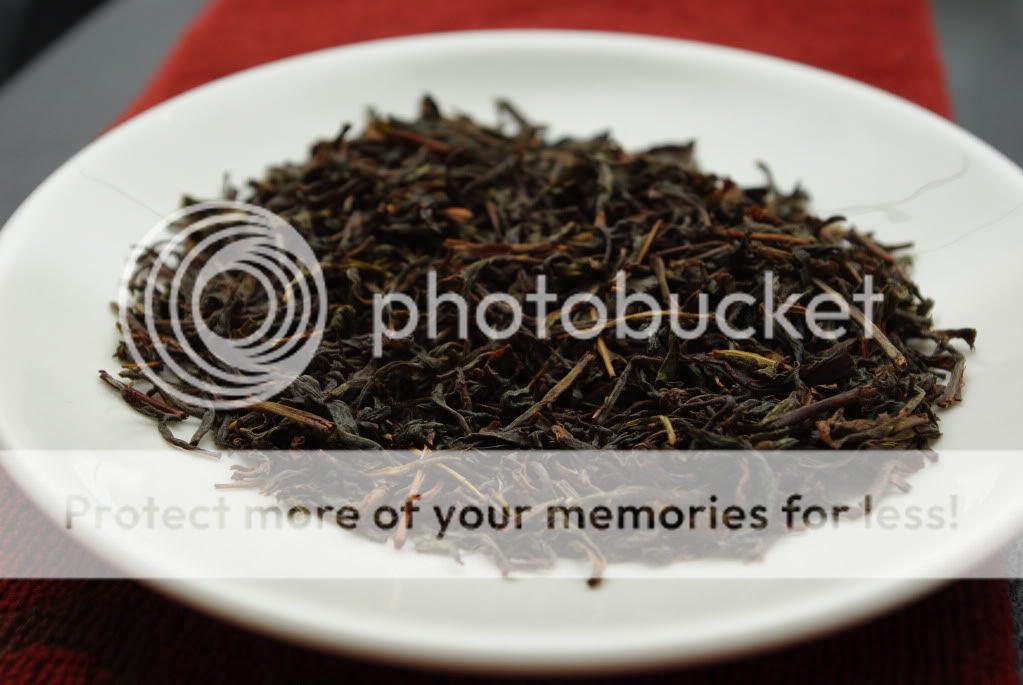
Dragonwell is a green tea from China. The dry leaf aroma, however subtle, is slightly woody and nutty. The roasted aroma is prominent with this tea. Long, flat pieces in about every shade of green slide out of the package and onto the plate. The leaves are not as big as I have seen for a Dragonwell, however. There are a fair amount of tiny bits and broken pieces in this bag.

The aroma coming from the gaiwan while the leaves are steeping is a nutty and buttery combination. The liquor is a pale yellow color.


The taste is a little bitter at first. It has an astringent, nutty bite to it. Hmm… this seems to be a harsh tea all the way around. There is just something that feels kind of stabby on the tongue. The aftertaste is very dry until about five or six seconds later then the creamy, buttery background shows up.

By the time I reached the bottom of the cup, the taste eventually grew on me… a little. It has a heavier body than most greens and it packs a bitter punch. This is an interesting tea, but I am just not sure this would be my go to Dragonwell. I will play around more with time and temperatures to see if it changes the overpowering roasted flavor.

Friday, January 14, 2011

Behind the Scenes

What exactly goes on during a tea review by yours truly? Well, let me show you.

This is the set up. It's not fancy by any means, but it is what works for me. A simple folding table holds my tea tray, tea towel, and fu dogs. My laptop, external hard drive (where I keep my pictures and written reviews), and cell phone (timer) sits on a folding TV tray and the other TV tray is used for the camera tripod or extra placement space. When I sit in the folding card table chair, to my right is where I store my tea, kettle, and other utensils.


I have a flexible outline in which I review tea. I try to keep the steps the same so I can review each tea the same way, but I try not to make it boring, as well. I open the bag that contains the tea and note the aroma. I pour some of the leaves into a bowl or onto a plate and give the leaves a few more sniffs for a better description of the aroma. At this time I note the recommended water temperature and prepare and start the kettle. While the kettle is doing its thing, I take pictures of the dry leaves while also writing about the appearance. By this time the water is up to temperature so I put the recommended amount of leaves into a teapot, gaiwan, kyusuu, or whatever I choose to use that day and then pour in the hot water. As it is steeping I note the aroma coming from the brewing vessel. I decant the tea when it reaches the suggested brewing time and note the color along with the aroma again. While the tea is cooling I take pictures. Then comes time for tasting. I usually go with my gut on this part and write what first comes to mind... as in what the flavors remind me of. I finish writing the review, edit the pictures, upload the pictures, put the pictures in the edited blog post, and finally post the review for all to see. After all that, I drink the rest of the tea if I like it, and then wash the tea ware.

And... that's it. It doesn't sound like much but this whole process from set up to wash up is about an hour per tea. I have always thought that it's easier to pop out tea reviews one after another if there are no pictures involved... but I think it gives something extra to the blog. You can see that I actually made the tea. You know that I didn't just throw some random descriptive words together and call it a review. I care a lot about the reviews I write and the pictures I take, so I take the time to do a good job... but, as a result, I can't get them out as fast as other bloggers can.